About us
Local shade builders who know the desert
We focus on one thing: patio covers and the shade structures that make a Coachella Valley backyard usable from spring through fall.
Palm Desert Patio Covers designs and installs shade for homeowners in Palm Desert and the rest of the Coachella Valley. Our work covers solid and insulated patio covers, aluminum and Alumawood-style systems, louvered and open pergolas, shade sails, pool shade, carports, retractable awnings, motorized screens, and the misting, fan and lighting upgrades that make a covered patio comfortable.
Building shade in the desert comes with its own checklist. Summer afternoons regularly climb past 105°F, the west valley sees strong and frequent wind, monsoon storms can blow through with little warning, and most neighborhoods have an HOA or country club that reviews exterior changes. We plan for all of it up front so your cover gets approved, passes inspection and stays put.
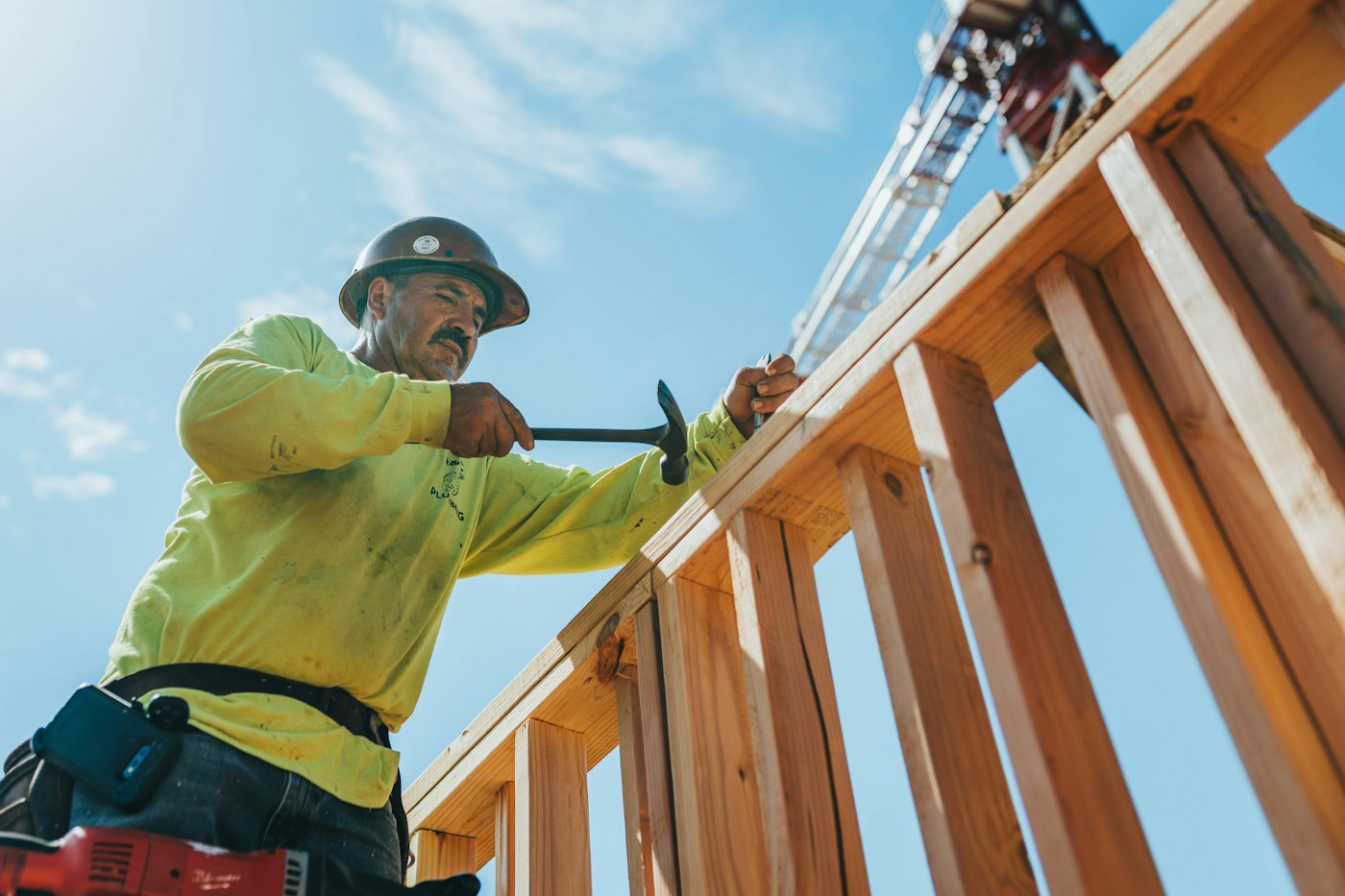
How we work
Built for the sun
We plan every cover around where the afternoon sun hits, how the wind moves through your yard and how you actually use the space.
Done to code
We pull the permits the job needs, anchor for local wind loads and prepare drawings for your HOA or country club review.
Clear estimates
Written, itemized estimates with material and add-on options, so you know what you are paying for before work starts.
Clean job sites
We protect your pavers, pool and landscaping, clean up daily and walk the finished project with you.
Why a shade specialist?
In most of the country a patio cover is a nice extra. In the Coachella Valley it decides whether you can use your backyard at all. An unshaded patio or pool surround can get too hot to stand on by late morning in summer, and the sun pouring through a west-facing slider heats the house for the rest of the day. Good shade changes both. It keeps the outdoor space usable longer and cuts the heat that reaches your walls and glass.
Getting that result takes more than putting a roof on posts. The orientation of the cover, its height, the color and type of roof panel, how far it overhangs and whether it has side screens all affect how much shade you actually get at 4 p.m. in July. The structural side matters just as much. A cover is a large, flat surface that catches wind, so footings, post connections and the attachment to your house need to be designed for it.
Because shade structures are our focus, we spend our time on those details. We follow manufacturer installation guides closely, since many product warranties depend on correct spans, fasteners and anchoring. We build to the California Residential Code and the local rules your city or the county has adopted, and we plan inspections into the schedule instead of treating them as an afterthought.
Designing for desert heat and wind
Heat drives most design choices here. A thin, uninsulated roof panel blocks direct sun but can radiate warmth down onto the people underneath. Insulated foam-core panels block much more of that heat, which is why many valley homeowners choose them for covers attached to the house. Lighter, reflective colors stay cooler than dark ones, and a taller cover lets warm air rise and move out instead of collecting at head height.
Wind is the other half of the picture. Homes in Palm Springs, Desert Hot Springs and the north end of the valley near the San Gorgonio Pass see strong, frequent gusts. Blowing sand reaches the east valley too, and summer monsoon storms, roughly July through September, can bring sudden dust storms and heavy rain. We size footings and hardware for local wind loads, and for shade sails, awnings and screens we talk through when to retract or take them down so they are not damaged in a storm.
We also think about the rest of the yard. Water from a solid roof has to drain somewhere that will not pool against the house or wash out landscaping. Misting lines need a plan for hard water. Fans and lights need power routed cleanly. Planning these pieces at the start costs far less than adding them later.
Permits, HOAs and country clubs
Patio covers generally need a building permit, especially when they attach to the house or exceed a certain size. In Palm Desert, permits typically go through the City of Palm Desert Building & Safety. Each nearby city has its own department, and unincorporated communities such as Bermuda Dunes and Thousand Palms typically go through Riverside County Building & Safety. Many aluminum cover systems carry ICC-ES evaluation reports, which can simplify plan check. We prepare the drawings, submit the plans and schedule inspections so you do not have to figure out the process alone.
HOA and country club approval is the other common step. Gated golf communities in Palm Desert, Indian Wells, La Quinta and Rancho Mirage, and 55+ communities such as Sun City Palm Desert, often review color, height, style and setbacks before work can begin. We provide drawings, product information and color samples for your architectural review package, and we can coordinate with the community on gate access and work hours.
In Palm Springs, some homes sit in designated historic districts or are themselves designated sites, where exterior changes may need extra review. If your home falls into that group, we check early so the design fits the rules before you fall in love with it.
Materials we work with
Aluminum and Alumawood-style systems are the most common choice in the valley. They do not rot, termites ignore them and lighter colors reflect a lot of heat. Insulated patio covers use a foam core between two metal skins to block far more heat than a single-layer roof, and they make a good base for ceiling fans and recessed lights. Louvered pergolas have adjustable aluminum blades that open for winter sun and close for summer shade or a passing storm.
Shade fabric made from HDPE breathes, lets hot air escape and comes in different UV-blocking ratings, which makes it a good fit for sails and pool shade. Wood looks warm and works well on some mid-century and Spanish-style homes, but desert sun dries it fast, so it checks and splits and needs regular sealing. Steel comes into play for long spans, carports and RV covers.
We would rather help you choose than sell you a product. During your estimate we bring samples and talk through heat, upkeep, wind exposure, HOA rules and budget. Our Alumawood vs. aluminum vs. wood guide and our article on whether an insulated patio cover is worth it are good places to start.
What working with us looks like
Every project starts with a free on-site visit. We walk the yard with you, note where the sun falls at different times of day, measure, look at how a cover would tie into your roofline and check for anything that affects cost, such as an old cover that needs to come out, tight side-yard access or a pool in the way. We also ask how you want to use the space: shaded dining, a spot for the grill, cover for the pool, or protection for the car.
After the visit you get a written, itemized estimate with material and add-on options. When you are ready, we prepare drawings for the permit and your HOA, order materials and give you a realistic schedule. If you live here part of the year, we can plan the work so it is finished before you return, or schedule it while you are away and keep you updated. Summer installs start early in the morning so crews avoid the worst of the heat. At the end, we walk the finished project with you and explain how to care for it.
Our commitments to you
- A written contract. Scope, materials, price and schedule are in writing, and payments follow California's home improvement rules.
- Honest recommendations. If a repair or a re-roof will fix an older cover, we say so. If a structure is unsafe, we explain why and show you what we found.
- Work done to code. We pull the permits the job needs and build to pass inspection the first time.
- Respect for your home. Clean work areas, protected pools and landscaping, and clear communication from start to finish.
Questions to ask any patio cover contractor
Whether you hire us or someone else, these questions will help you compare bids and avoid common problems. We are happy to answer every one of them during your estimate.
- Is your license active, and what classification is it? Look the contractor up on the CSLB website and check that the license is current and covers the type of work.
- Will you pull the permit? A contractor who suggests skipping a required permit is handing you the risk of failed inspections, insurance trouble and problems when you sell.
- How is the cover engineered for wind? Ask about footing size, post anchors and how the cover connects to the house. In the west valley especially, this is where cheap installs fall short.
- How much heat will this roof actually block? Ask whether the panel is insulated, what color it is and how high the cover will sit. A cover that only blocks direct sun may still feel hot underneath.
- Will you handle HOA or country club approval? Ask who prepares the drawings and samples, and whether the contractor has worked with similar review committees before.
- What is the payment schedule? In California, the down payment on most home improvement contracts is limited by law, and progress payments should match completed work.
- What warranty comes with the work and the materials? Get both the contractor's workmanship terms and the manufacturer's product warranty in writing.
For more on comparing bids, read our guide on how to choose a patio cover contractor.
Where we work
We are based in Palm Desert and serve the whole Coachella Valley, including Rancho Mirage, Indian Wells, La Quinta, Palm Springs, Cathedral City, Indio, Bermuda Dunes, Thousand Palms, Desert Hot Springs and Coachella. See all of our service areas, or browse our patio cover and shade services.
Get a free, no-pressure estimate
We come out, measure, check sun angles and wind exposure, and give you a written estimate.