Palm Desert · Coachella Valley
Patio covers built for 115° afternoons.
Aluminum and insulated patio covers, louvered pergolas, shade sails and motorized screens for homes in Palm Desert, Rancho Mirage, La Quinta, Indian Wells and across the valley. Engineered for desert wind, finished for desert sun.
- Heat-first
- Insulated & reflective options
- Wind-rated
- Anchored for valley gusts
- Permits & HOA
- Paperwork handled
- Snowbird-friendly
- Work while you’re away
Free shade estimate
On-site measure, material options and a written price. No pressure.
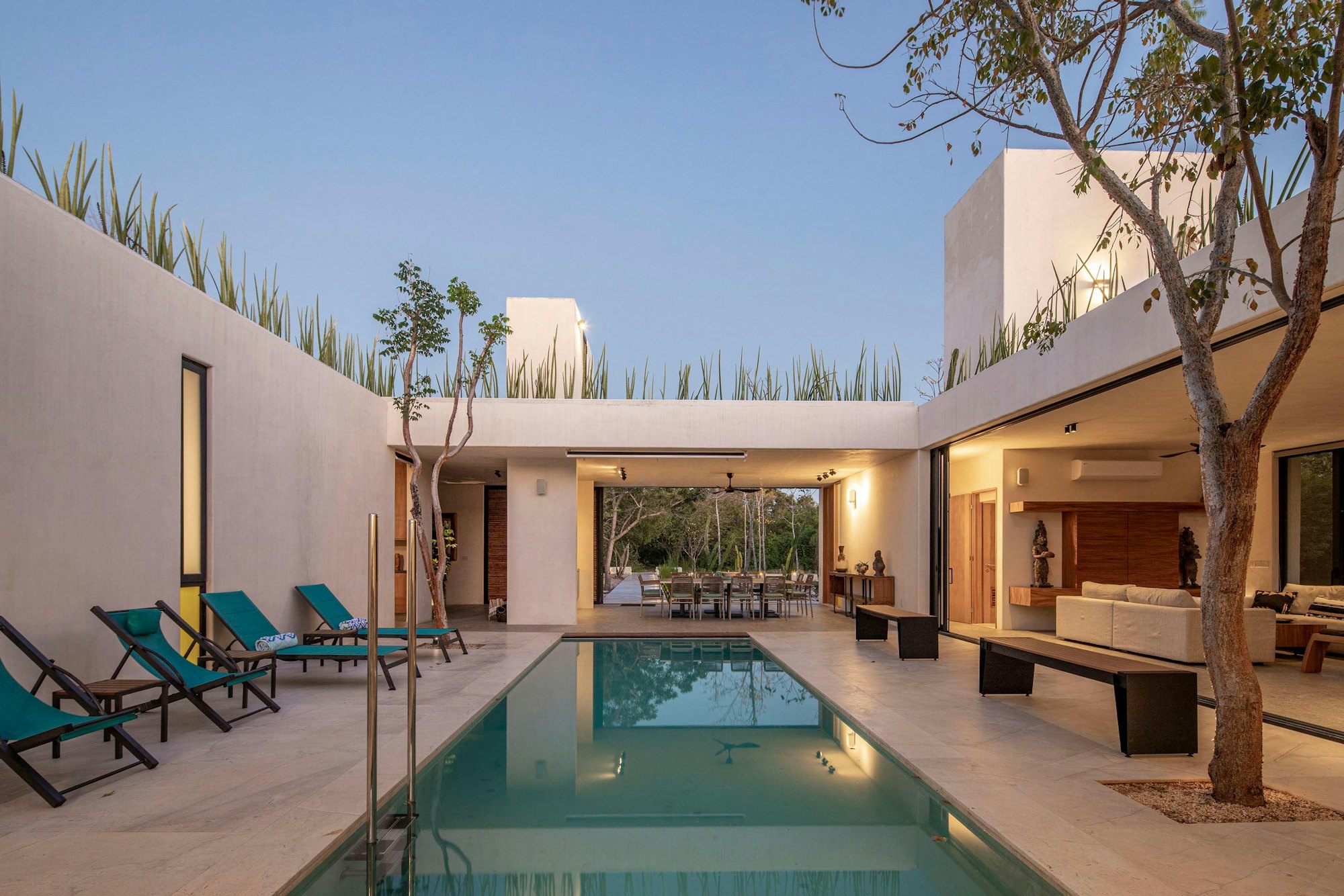
Shade in the Coachella Valley has a harder job than shade anywhere else
In most places a patio cover is a nice extra. In Palm Desert it decides whether you use your backyard for half the year or all of it. The same cover that looks fine in a brochure can sag, rattle or trap heat if it was designed for a milder climate.
We build patio covers, pergolas and shade structures specifically for desert conditions: strong sun, long hot summers, wind that funnels through the valley, and monsoon storms that test every connection. That means choosing the right roof type for the direction your yard faces, sizing posts and footings for wind, and detailing the attachment to your roof so it stays watertight for years.
Heat and UV, most of the year
Summer afternoons in Palm Desert regularly pass 105°F, and the sun is strong even in spring and fall. An uncovered patio can be too hot to stand on by mid-morning. Real shade, not a thin umbrella, is what makes the space usable. Insulated roof panels and light, reflective finishes keep the area under the cover noticeably cooler than open sky.
Wind and blowing sand
Gusts come through the valley often, and the west end near the San Gorgonio Pass is known for strong, steady wind. A cover is only as good as its footings and connections. We size posts, beams and anchors for local wind loads, and we plan shade sails and awnings around when they should be retracted or taken down.
Monsoon storms
From roughly July through September, monsoon storms can arrive fast with dust, sudden gusts and short bursts of heavy rain. Gutters, roof pitch and the way a cover ties into your house decide whether that water drains away or ends up against a wall. We detail flashing and drainage for the storm, not the calm day.
Patio covers, pergolas and shade structures
From a simple lattice cover off the kitchen to a motorized louvered pergola over the pool, every project starts with how much shade you need, when you need it and what your HOA allows.
-
Patio Covers
Solid, lattice, attached and freestanding patio covers built to turn a sun-baked Coachella Valley patio into usable outdoor living space.
Learn more -
Aluminum & Alumawood Patio Covers
Low-maintenance aluminum and Alumawood-style patio covers that resist rot, termites, and UV, in solid or lattice designs for desert homes.
Learn more -
Insulated Patio Covers
Foam-core insulated patio covers that block radiant heat, keep the ceiling cool, and make desert patios comfortable on summer afternoons.
Learn more -
Louvered Pergolas
Adjustable louvered pergolas with rotating aluminum blades that open for winter sun and close for summer shade and monsoon rain.
Learn more -
Custom Pergolas
Custom wood, aluminum and steel pergolas built to frame your patio, filter desert sun and stand up to valley wind.
Learn more -
Shade Sails
Tensioned fabric shade sails on engineered posts that cool pool decks, yards and play areas with a clean, modern look.
Learn more -
Retractable Awnings
Manual and motorized retractable awnings that give you shade on demand and fold away when the wind picks up.
Learn more -
Motorized Patio Screens
Motorized drop-down screens that block low afternoon sun, glare, insects and blowing dust from your covered patio at the touch of a button.
Learn more -
Carports & RV Covers
Aluminum and steel carports and tall RV covers that keep vehicles, boats and golf carts out of the Coachella Valley sun.
Learn more -
Pool Shade & Cabanas
Poolside covers, cabanas and shade structures that make your pool deck usable through long Coachella Valley summer afternoons.
Learn more -
Patio Cover Repair & Replacement
Repairs for sagging, leaking, sun-damaged or storm-damaged patio covers, plus full replacement when an old cover has reached its limit.
Learn more -
Misting Systems, Fans & Lighting
High-pressure misting, outdoor ceiling fans, lighting and heaters that make patio covers and pergolas comfortable from summer afternoons to winter nights.
Learn more
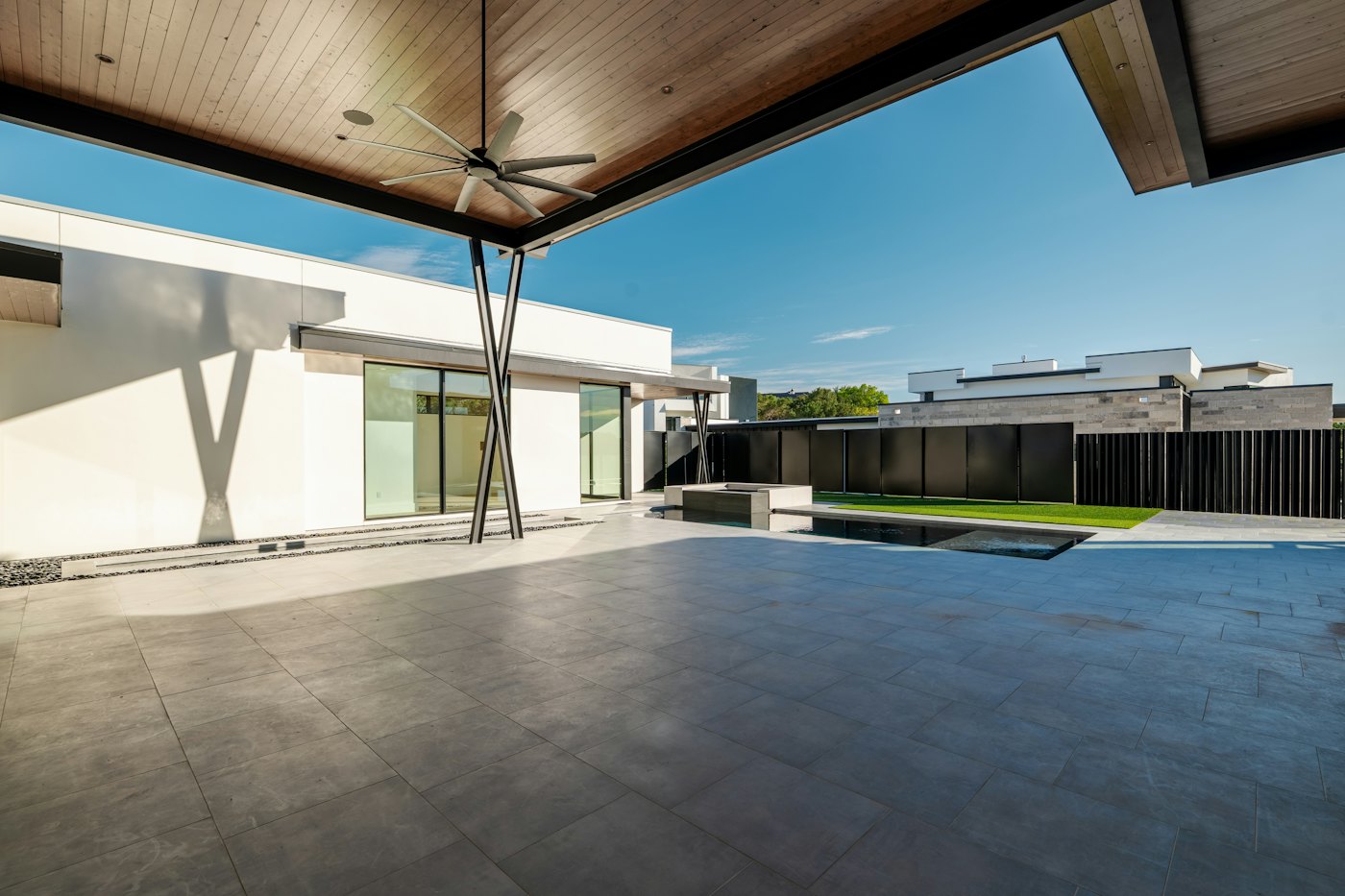
A solid roof that actually blocks the heat
Insulated patio covers use a foam core sandwiched between aluminum skins, so the sun hits the roof instead of you. The underside stays smooth and finished, which makes it an easy place to add ceiling fans, recessed lights and misting lines. For west-facing yards and rooms with big sliders, this is usually the biggest comfort upgrade per dollar.
- Foam-core panels in several thicknesses
- Fans, lights and misting planned into the build
- Attached to stucco, tile or flat roofs
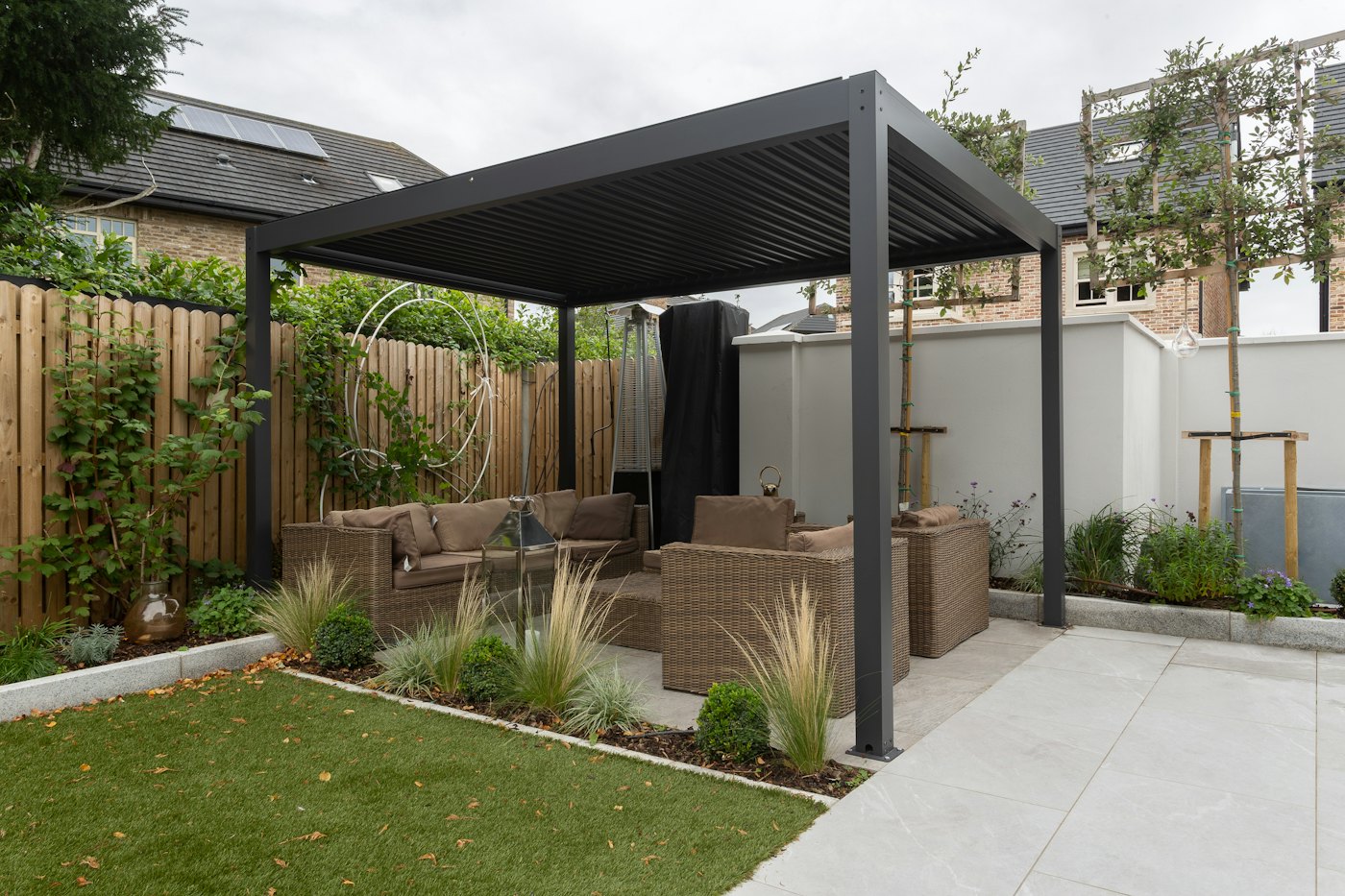
Open the roof in winter, close it in July
Louvered pergolas have aluminum blades that rotate, so you can let in sun on a January morning and close up tight for an August afternoon. Motorized systems tilt with a remote or app, and many can close automatically when rain starts. They suit homeowners who live here through every season and want one space that changes with it.
- Motorized or manual louvers
- Integrated gutters in the posts and beams
- Pairs well with drop-down screens
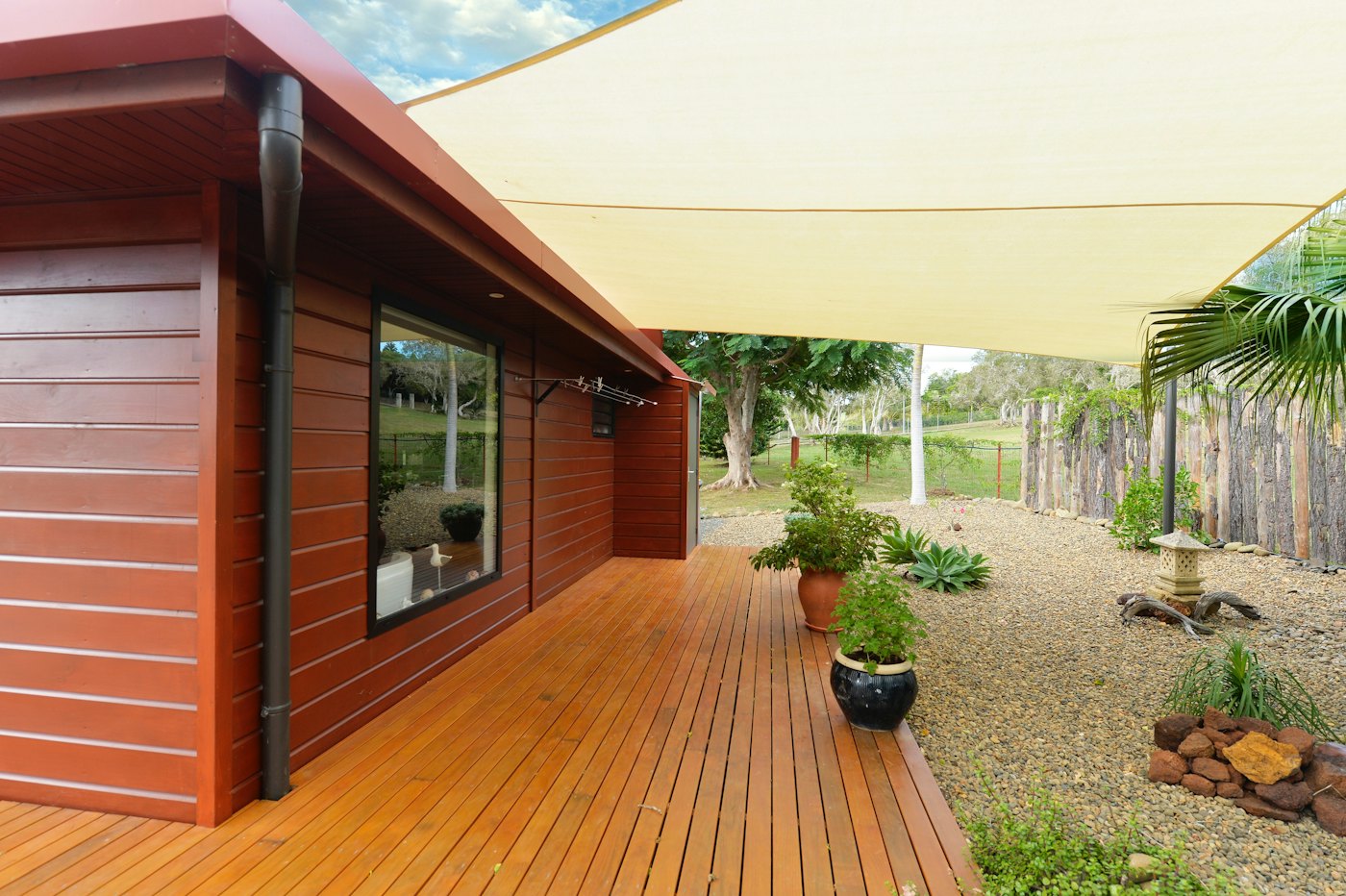
Block the low sun and the bugs
Late-day sun comes in under the roof edge, especially on west-facing patios. Motorized screens drop down to cut glare and heat while keeping the view. Shade sails cover pools, play areas and courtyards where a solid roof would be too much. Both need a plan for wind, so we set tracks, posts and anchors for valley conditions.
- Solar screen fabrics with different openness
- Wind sensors on motorized systems
- Tensioned sails on steel posts
A Palm Desert patio cover company for 92260, 92211 and the whole valley
Palm Desert sits in the middle of the Coachella Valley, which makes it a practical base for shade projects from Palm Springs to Coachella. The city itself has a little of everything: older ranch homes south of Highway 111, gated golf communities, condo and townhome complexes with shared walls, and newer neighborhoods north of Interstate 10. Each one comes with its own rules about what you can build and how it has to look.
Patio covers in Palm Desert typically need a permit from the City of Palm Desert Building & Safety, especially when the cover attaches to the house. Many aluminum cover systems carry evaluation reports that make plan check simpler, but the city still reviews size, setbacks and how the structure connects to your home. We confirm the current requirements for your address before we design, so there are no surprises at inspection.
Most of our customers also answer to an HOA or country club. Architectural review committees usually care about color, height, roof style and how a cover looks from the street or the fairway. We put together the drawings, color samples and product sheets those committees expect, and we can schedule the install around snowbird season so the work is done before you come back in the fall.
Which shade structure fits your yard?
There is no single best patio cover for the desert. The right choice depends on which way your patio faces, how much of the year you are here, what your HOA allows and how much maintenance you want. Here is how the common options compare in Coachella Valley conditions.
| Option | Heat & shade | Wind | Upkeep | Best for |
|---|---|---|---|---|
| Aluminum (lattice or solid) | Light colors reflect well; solid roofs give full shade | Strong when anchored and sized correctly | Rinse dust off; no painting or sealing | Most homes, HOA-friendly colors |
| Insulated aluminum | Best heat block of the common options | Engineered systems with tested spans | Very low | West-facing patios, rooms with large sliders |
| Louvered aluminum | Full shade closed, sun when open | Heavier frames; check the rated wind speed | Clear sand from louvers and gutters | Year-round residents, entertaining spaces |
| Wood | Comfortable look; shade depends on spacing | Good with proper posts and hardware | Seal often; dries and splits in desert sun | Custom styles where the look matters most |
| Shade fabric (sails) | Filters sun; air moves through | Must be taken down or rated for storms | Retension and inspect hardware | Pools, play areas, courtyards |
What a patio cover typically costs
Prices vary a lot with size, roof type and how the cover attaches to your home. As a rough guide, a basic lattice aluminum cover over a standard patio often lands in the low-to-mid thousands, solid and insulated covers cost more per square foot, and motorized louvered pergolas sit at the top of the range. Electrical work for fans and lights, permit fees, HOA requirements and roof tie-ins on tile roofs all add to the total. A site visit is the only way to get a real number, and our written estimates spell out each item so you can compare bids.
Read the full cost guideAttached or freestanding?
An attached cover connects to your house at the fascia, wall or roof and extends your living space straight out the back door. A freestanding cover or pergola stands on its own posts, which is useful over a pool, a fire pit or a spot at the far end of the yard. Attached covers on tile or flat roofs need careful flashing so they never become a leak point. Freestanding structures need more posts and footings to resist wind. We will tell you which one makes sense for your layout.
Compare the twoFrom first measurement to first shady afternoon
- 01
Free on-site visit
We measure the space, check sun angles and roof type, note wind exposure and talk through how you use the patio.
- 02
Design & written estimate
You get a layout, material and color options, and an itemized price you can compare with other bids.
- 03
Permits & HOA approval
We prepare drawings for the city or county and your community’s architectural review, then track both.
- 04
Install & walkthrough
Most covers go up in days, not weeks. We clean up, walk the finished work with you and close the permit.
Timing matters here. Many owners book in late spring so the cover is up before the worst heat, while seasonal residents often schedule work for summer so it is finished before they return. In the hottest months our crews start early and wrap up before the afternoon peak. Approval time from the city and your HOA is usually longer than the install itself, so starting the paperwork early is the easiest way to keep a project on schedule.

We only build shade, so we sweat the details that matter in the desert
General contractors can put up a patio cover, but shade structures are all we do. That focus shows up in the parts you don't see: footing depth, post spacing for wind, how the ledger meets a tile roof, where the gutter drains, and which fabric openness keeps a screened patio bright but cool.
- Written, itemized estimates with material and color options
- Permit drawings and HOA submissions prepared for you
- Structures sized and anchored for Coachella Valley wind
- Clean job sites and a final walkthrough on every project
From the blog
Outdoor Living Ideas for Coachella Valley Backyards
Outdoor living ideas built for desert life: shaded dining, pool cabanas, outdoor kitchens, fire features and lighting for Coachella Valley backyards.
Read articleCan Shade Lower Your Summer Cooling Bills?
How patio covers, screens and awnings reduce heat gain through windows and doors in the Coachella Valley, and what to realistically expect on cooling costs.
Read articleHow Big Should Your Patio Cover Be?
How to size a patio cover for dining, lounging and outdoor kitchens in the Coachella Valley, with tips on sun angles, height, layouts and HOA limits.
Read articlePatio cover questions from Palm Desert homeowners
Short answers to what people ask most. For anything specific to your home, a free site visit is the fastest way to get a clear answer.
See all FAQsWhat areas do you serve in the Coachella Valley?
We are based in Palm Desert and build patio covers and shade structures across the Coachella Valley. That includes Rancho Mirage, Indian Wells, La Quinta, Palm Springs, Cathedral City, Indio, Bermuda Dunes, Thousand Palms, Desert Hot Springs and Coachella. Each city has its own building department, and the unincorporated communities typically go through Riverside County. See our service areas pages for details, or contact us to confirm your address.
What kinds of shade structures do you build?
Most projects fall into a few groups. Solid patio covers include aluminum, Alumawood-style and insulated systems. Open shade includes louvered pergolas, custom pergolas, shade sails, pool shade and carports. Comfort add-ons include retractable awnings, motorized screens, misting systems, fans and lighting. We also repair and replace older covers. If you are not sure which type fits your yard, a site visit is the quickest way to sort it out.
Why is shade so important in the desert?
Summer highs in the valley commonly reach 105°F to 115°F, and the UV is intense most of the year. An unshaded patio or pool area can be too hot to use for much of a summer afternoon. Shade lowers surface temperatures, makes outdoor furniture usable and reduces the sun hitting sliders and windows, which helps keep the house cooler. Here, a good cover is closer to a necessity than a luxury.
How do I know my contractor is properly licensed?
In California, contractors doing work above a small dollar amount must hold a license from the Contractors State License Board (CSLB). You can look up any license for free at cslb.ca.gov and see its status, classification and bond information. Ask for the license number before you sign anything, and confirm that it is active and matches the business name on your contract.
Can I add shade if I only live here part of the year?
Yes, and many of our clients do. Seasonal residents often plan a project so it is finished before they return in the fall, or schedule it while they are away for the summer. We can manage the HOA submission, permit, installation and inspections, and send photo updates along the way. Starting the design a few months ahead gives approvals time to clear without rushing your install date.
Should I choose aluminum, Alumawood or wood for my patio cover?
Aluminum and Alumawood-style systems are the most common choice in the valley because they do not rot, resist termites and need little upkeep. Lighter colors also reflect heat well. Wood offers a warm, custom look and suits some architectural styles, but desert sun dries it quickly, so it tends to check and split and needs regular sealing. Check your HOA rules first, since they can narrow your options.
What is an insulated patio cover?
An insulated cover uses roof panels with a foam core sandwiched between two metal skins. A single-layer metal roof blocks direct sun but heats up and radiates warmth onto the patio below. The foam core blocks far more of that heat, so the space underneath feels noticeably cooler. Insulated panels also give a finished ceiling that works well for recessed lights and ceiling fans.
What is the difference between a patio cover and a pergola?
A patio cover has a solid roof that blocks sun and rain completely. A pergola has an open roof of beams or slats that filters sunlight and gives a lighter look. Louvered pergolas sit in between, with adjustable blades you can open for winter sun or close for summer shade and light rain. In peak summer heat, solid or louvered roofs usually keep a patio more comfortable.
Get your patio shaded before next summer
We come out, measure, check sun angles and wind exposure, and give you a written estimate.